
The Cadent Houses in Astrology: How the Chart Learns, Adjusts, and Lets Go


In astrology, the cadent houses represent the phase of life where experience is processed, interpreted, and released. Where the angular houses initiate action and the succedent houses preserve and sustain it, the cadent houses ask a quieter but no less vital question: What does all of this mean, and what must change? These houses are not about visibility or accumulation. They are about movement between states, about mental digestion, spiritual recalibration, and the transfer of knowledge from one condition to another. Without cadent houses, life would stagnate, trapped in repetition without insight.

The term “cadent” comes from the Latin cadere, meaning “to fall.” This does not imply weakness, but rather transition. Cadent houses fall away from the angles, moving energy out of fixed form and into motion again. They loosen what has become rigid. They translate experience into understanding. They prepare the ground for the next initiation. In this sense, cadent houses are not endings, but passageways.

Astrologically, the cadent houses are the third, sixth, ninth, and twelfth. Each one follows a succedent house and precedes an angular house, placing them in a liminal position. They are neither beginnings nor anchors. They are the bridges in between. This is why they are associated with the mutable signs, whose nature is adaptability, flexibility, and responsiveness. Mutable energy does not cling or command—it adjusts.

The third house follows the second and carries forward the problem of survival into the realm of perception and communication. If the second house asks what we need in order to live, the third house asks how we understand and navigate the environment that provides it. This is the house of language, learning, siblings, neighbors, and immediate surroundings. It governs the mind in its most practical, responsive form.

The cadent nature of the third house is evident in its constant movement. This is not deep contemplation or abstract philosophy. It is thinking on the go. The third house mind gathers data, makes connections, and shares information rapidly. It governs speech, writing, gestures, and all the small exchanges that keep daily life functioning. Because it is cadent, this house does not hold knowledge—it passes it along.

This house is also about proximity. Short trips, local travel, and familiar routes all fall here. The third house reveals how someone orients themselves within their immediate world, how they interpret signs, and how they learn through repetition and exposure. Knowledge here is not accumulated for prestige; it is used to adapt in real time.

Siblings are governed by the third house because they represent lateral relationships—neither above nor below, but alongside. These relationships require constant negotiation, communication, and adjustment. They shape early thinking patterns and communication habits, which often persist throughout life. The third house shows how the mind learned to move.

Following the fifth house, the sixth introduces a sobering but essential recalibration. If the fifth house is about joy, expression, and creative overflow, the sixth house asks how that energy must be refined in order to function. This is the house of work, service, discipline, health, and routine. It governs the process of correcting excess and addressing imbalance.

The cadent quality of the sixth house is often misunderstood as weakness or drudgery, but in truth it is the house of adjustment. Life produces waste. Systems break down. Bodies require maintenance. The sixth house handles these realities. It governs labor not as ambition, but as necessity. This is the work that keeps things running when the spotlight is gone.

Health belongs here not as vitality, but as management of the body. Illness, habits, treatments, and daily care all fall under the sixth house because they involve continuous correction. Healing is not an event; it is a process. The sixth house reflects the ongoing dialogue between effort and limitation.

This house also governs service, not in a moral sense, but in a functional one. Service means responding to what is needed. It requires humility, attentiveness, and flexibility. The sixth house does not lead; it supports. But without it, nothing functions properly. Its cadent nature allows it to adapt systems so they can endure.

The ninth house follows the eighth and carries transformation into the realm of meaning. If the eighth house binds us through shared resources and deep entanglement, the ninth house asks what truths emerge from those experiences. This is the house of philosophy, belief systems, higher learning, law, and long-distance travel. It governs the search for coherence beyond personal circumstance.

The cadent quality of the ninth house reveals itself in its restlessness. This house is not satisfied with inherited beliefs or local truths. It seeks perspective. It stretches the mind beyond familiar boundaries. Travel here is not about movement for its own sake, but about exposure to different worldviews. The ninth house expands the mental horizon.

Higher education belongs to this house not as credentialism, but as structured exploration of meaning. The ninth house mind seeks frameworks that explain life as a whole. Religion, philosophy, and ideology all arise here because they offer narratives that organize experience. These narratives are not static; they evolve as understanding deepens.

Law also belongs to the ninth house because it represents codified belief about justice and order. Legal systems reflect collective values and ethical assumptions. The ninth house shows how someone relates to authority as principle rather than person, and how they reconcile personal truth with universal rules.

The twelfth house follows the eleventh and brings the cycle to its most diffuse and mysterious phase. If the eleventh house is about collective participation and shared futures, the twelfth house asks what must dissolve before something new can begin. This is the house of endings, withdrawal, dreams, the unconscious, and transcendence.

The cadent nature of the twelfth house is profound. It is the place where form breaks down. Where identity softens. Where boundaries blur. This house governs experiences that cannot be easily named or controlled. Solitude, spiritual retreat, and hidden suffering all fall here because they occur outside public structures.

The twelfth house is often associated with loss, but its deeper function is release. What has been accumulated, sustained, and interpreted must eventually be let go. This house clears psychic and spiritual residue so that the first house may emerge again unburdened. It is the ocean into which all experiences eventually flow.

This house also governs compassion, not as sentiment, but as identification beyond the self. The twelfth house dissolves the illusion of separateness. It reveals shared vulnerability and collective pain. This is why it governs institutions that isolate individuals—hospitals, prisons, monasteries—places where personal identity is stripped away.

Dreams belong to the twelfth house because they bypass conscious structure. They speak in symbols, emotions, and impressions. They are messages from the parts of the psyche that cadent houses specialize in translating. The twelfth house does not explain; it absorbs and dissolves.

What unites all cadent houses is their relationship to change through understanding. They do not create or preserve; they transform. They move energy from one form to another. They teach, correct, reinterpret, and release. Their power is subtle but essential.

Cadent houses are often underestimated because their effects are not immediately visible. But they shape perception, belief, habit, and inner orientation. They determine how someone learns from experience and whether that learning leads to growth or repetition. Without cadent houses, life would be loud but shallow, busy but unwise.

In the architecture of the chart, cadent houses function as circulatory systems. They move information, meaning, and awareness throughout the horoscope. They prevent stagnation. They allow adaptation. They ensure that each cycle prepares the way for the next.

Ultimately, the cadent houses answer the question: What must shift so life can continue evolving? They remind us that nothing remains fixed forever, and that wisdom lies not in clinging, but in understanding, adjustment, and surrender.

They are the quiet teachers of the chart, the translators between worlds, and the unseen hands guiding the rhythm of becoming.


The Succedent Houses in Astrology: Where The Horoscope Stabilizes


In astrology, the succedent houses represent the phase of life that follows initiation. Where the angular houses ignite experience and thrust us into action, the succedent houses ask a quieter but equally important question: What do you do with what you’ve begun? These houses are not about first contact or public confrontation. They are about continuation, maintenance, and preservation. They describe how energy is stabilized, how resources are accumulated, and how meaning is sustained over time. Without succedent houses, nothing lasts. Without them, beginnings collapse and efforts evaporate.

The word “succedent” comes from the Latin succedere, meaning “to follow after.” This alone reveals their function. Succedent houses follow the angular houses, inheriting their momentum and determining whether that momentum becomes something durable or something fleeting. They are the houses of holding, keeping, and cultivating. Unlike angular houses, which are visible and event-driven, succedent houses operate through consistency, attachment, and endurance. They do not shout. They settle in.

Astrologically, the succedent houses are the second, fifth, eighth, and eleventh. Each one follows an angular house and develops its themes in a more sustained and embodied way. These houses are associated with the fixed signs, which further emphasizes their role in stability, persistence, and resistance to change. Fixed energy does not initiate or dissolve—it maintains. This makes succedent houses deeply connected to material reality, emotional investment, and long-term consequence.

The second house follows the first, and it is here that existence becomes something that must be sustained. If the first house declares “I am,” the second house asks “What do I need in order to continue?” This is the house of resources, values, appetite, and consumption. It governs not only money and possessions, but the deeper principle of what we take in and what we hold onto. The second house reveals how life feeds itself.

The succedent nature of the second house is immediately evident in its relationship to survival. Once the body exists, it must eat. Once identity emerges, it must be supported. This is why the second house governs food, income, personal assets, and the material means of self-preservation. It is not concerned with ambition or reputation; it is concerned with having enough. Enough food. Enough stability. Enough reassurance that tomorrow can be met.

But the second house goes far beyond finances. It is the house of values, meaning what we consider worth keeping. This includes beliefs, attachments, comforts, and preferences. What someone spends money on, what they crave, what they refuse to give up—these are all second-house expressions. Because this house is succedent, these attachments tend to be strong and persistent. Once something becomes part of the second house economy, it is not easily released.

This house also governs appetite in a broad sense. Not just hunger for food, but hunger for experience, pleasure, and material engagement. The second house shows what we consume and, by extension, what we diminish through consumption. To eat is to reduce. To use is to wear down. This subtle principle reveals the second house as a place of exchange between self and environment, where sustenance comes at the cost of depletion elsewhere.

The fifth house follows the fourth and carries forward the foundation established there. If the fourth house is about roots and inner security, the fifth house is about creative expression that grows from those roots. This is the house of joy, pleasure, children, talents, and personal radiance. It is where life says, “Now that I am safe, I can play.” The fifth house is succedent because joy must be sustained to be meaningful.

The fifth house governs creativity not as effort, but as overflow. It is the act of giving form to something that already exists within. Art, performance, romance, and play all live here because they are expressions of vitality that require ongoing engagement. A talent discovered once means little unless it is practiced. A child conceived must be raised. Pleasure must be revisited again and again to remain alive.

This house is also deeply connected to recognition and appreciation, though not in the tenth-house sense of public status. The fifth house wants applause, affection, and acknowledgment on a personal level. It seeks to be seen enjoying itself. Because it is succedent, the fifth house thrives on repetition—regular hobbies, ongoing creative projects, long-term romances. It does not chase novelty for novelty’s sake; it wants continuity of delight.

Children are governed by the fifth house because they represent life extended forward. A child is not an event but a commitment. Parenting requires sustained attention, emotional investment, and long-term responsibility. This aligns perfectly with the succedent quality of the house. What is born must now be nurtured, encouraged, and supported so it can grow.

The eighth house follows the seventh, and here the succedent principle becomes more complex and intense. If the seventh house is about balance and encounter, the eighth house is about what happens after union. This is the house of shared resources, obligations, debts, inheritances, and transformations that arise from entanglement. The eighth house is succedent because bonds, once formed, create ongoing consequences.

This house governs what is shared, not what is owned outright. Money held jointly, emotional burdens carried together, secrets, contracts, and mutual dependencies all fall here. The eighth house reveals how deeply someone is willing to commit their resources to another and how they handle the loss of autonomy that follows intimacy. Once two lives intertwine, disentangling is not simple.

Despite common misconceptions, the eighth house is not inherently about sex. Sex belongs to the seventh house as an act of balance and pleasure between equals. The eighth house is about what comes after that act—attachment, obligation, and transformation. It governs the psychological and material aftermath of union, not the act itself. This distinction is crucial and often overlooked.

The eighth house is also associated with death, but not as a single event. It governs death as a process of transfer. Inheritances, legacies, and the passing of resources from one person to another all fall here. Something ends so something else may continue. This makes the eighth house profoundly succedent: it ensures continuity through redistribution rather than creation.

Transformation is a key theme here, but it is not sudden or explosive. It is slow, unavoidable change that results from sustained entanglement. Grief, healing, and psychological rebirth all belong to the eighth house because they unfold over time. This house does not initiate change; it absorbs it and reshapes the inner landscape accordingly.

The eleventh house follows the tenth and carries public action into the realm of collective continuity. If the tenth house is about achievement and authority, the eleventh house is about what those achievements contribute to the future. This is the house of friendships, communities, alliances, and long-term goals. It governs the networks that sustain influence beyond individual effort.

The eleventh house is succedent because social structures require maintenance. Friendships are not moments; they are relationships that must be tended. Causes do not advance without ongoing participation. Dreams do not materialize without repeated engagement. This house shows how someone invests energy into shared visions and collective aspirations.

Unlike the seventh house, which focuses on one-to-one relationships, the eleventh house governs many-to-many connections. It is the house of groups, audiences, and social ecosystems. These are not intimate bonds but enduring affiliations. The eleventh house reveals where someone finds belonging among peers and how they contribute to something larger than themselves.

This house is also associated with hopes and wishes, but not idle fantasies. These are goals anchored in reality, shaped by circumstance, and pursued over time. The eleventh house shows what someone is willing to work toward patiently, often without immediate reward. This makes it one of the most future-oriented houses in the chart.

What unites all succedent houses is their relationship to value over time. They are concerned with what is worth keeping, what deserves investment, and what must be managed carefully to endure. These houses resist disruption. They prefer continuity to change, familiarity to novelty, and stability to risk. This can manifest as loyalty and reliability, or as stubbornness and resistance, depending on how the energy is handled.

Succedent houses also represent emotional and material attachment. They show where we dig in our heels, where we store our treasures, and where we struggle to let go. This attachment is not inherently negative; it is necessary for building a life. But it can become limiting when growth requires release.

In the architecture of the chart, succedent houses act as the load-bearing walls. Angular houses may set the direction, but succedent houses determine whether that direction is sustainable. Cadent houses may adapt and reinterpret, but succedent houses decide what remains unchanged. They are the keepers of continuity.

Ultimately, the succedent houses answer a fundamental question: What lasts? They show how life is sustained through effort, commitment, and care. They remind us that beginnings mean nothing without follow-through, and that meaning is not created in moments alone, but through endurance, repetition, and devotion.


The Angular Houses in Astrology: Where the Sky Touches the Earth


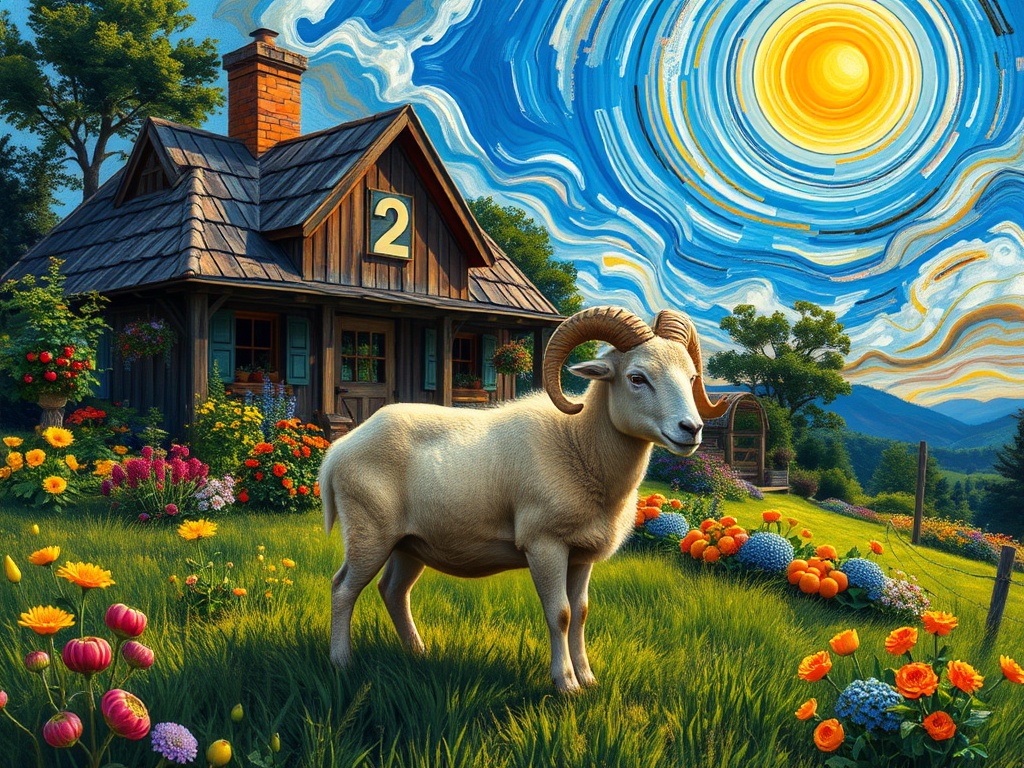
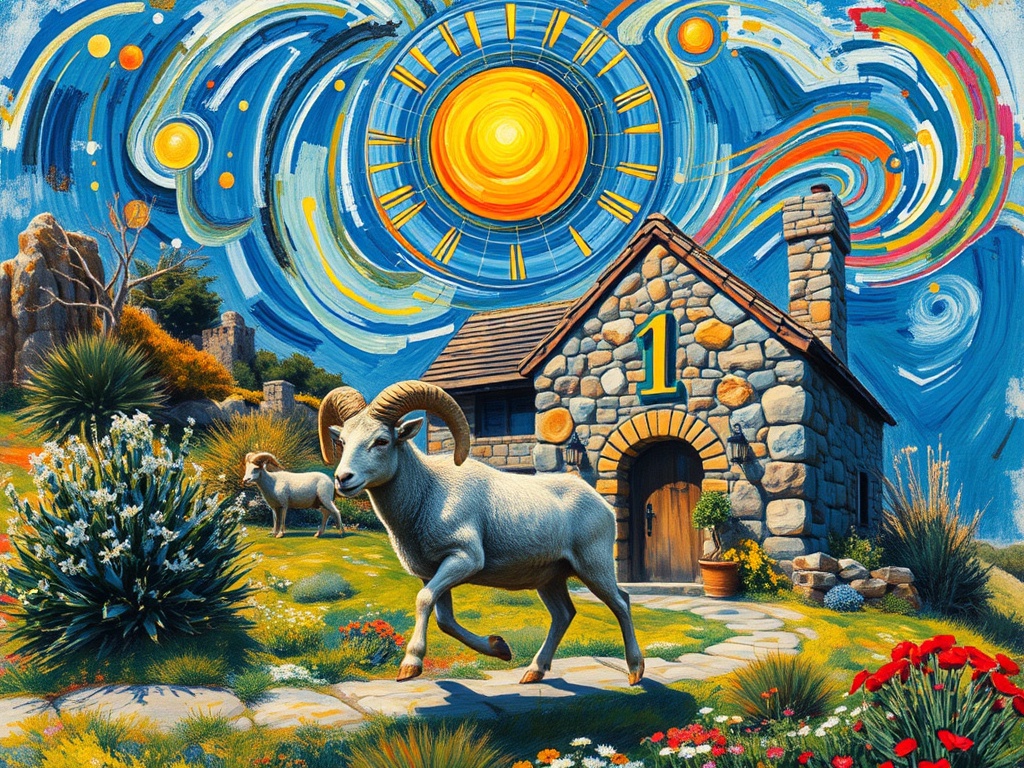
In astrology, the angular houses hold a special status that immediately sets them apart from all others. They are not subtle, hidden, or abstract. They are loud, visible, and active. When planets occupy these houses, they announce themselves in unmistakable ways, shaping the trajectory of a life through concrete events, decisive actions, and unmistakable turning points. The angular houses describe the points where the sky meets the Earth, where the symbolic becomes real, and where intention crystallizes into experience. They are the houses of doing, meeting, founding, and culminating. Without them, a chart lacks traction. With them, life moves.

The word “angular” itself comes from the idea of angles, and in astrology, angles are the most potent points in the chart. These are not arbitrary divisions. They are rooted in astronomy and lived experience. The Ascendant marks the moment a body rises over the eastern horizon, the Midheaven marks the highest point it reaches in the sky, the Descendant marks its setting in the west, and the Imum Coeli marks its lowest, darkest point beneath the Earth. These four angles form the skeleton of the chart, and the angular houses attached to them describe the four great acts of human existence: becoming, acting, relating, and rooting.

The first house begins at the Ascendant, and it is here that life enters the world. This is the house of arrival, emergence, and self-assertion. It is not simply about personality in a superficial sense. It describes the raw fact of existence as a separate being. The first house is the act of standing upright and declaring “I am.” It governs the body as a living vessel, the instinct to survive, and the way consciousness inhabits flesh. This is why planets in the first house are impossible to miss. They shape how someone moves through space, how they are noticed, and how they initiate action. The first house is not passive. It does not wait. It begins.

What makes the first house angular is its direct connection to the horizon. This is the place where the unseen becomes seen, where potential becomes form. It governs identity in motion, not identity as an idea. The Ascendant is not who someone thinks they are; it is who they are being moment by moment. This is why the first house also governs instinctual reactions and immediate responses. There is no mediation here. No negotiation. No reflection. The first house acts first and understands later. It is the spark that lights the chart.

The angular quality of the first house also explains why it is associated with vitality and health. This is not medical detail in the sixth-house sense, but life force itself. When the first house is strong, life moves forward. When it is burdened, life feels heavy to initiate. The first house shows how easily someone steps into existence each day, how naturally they take up space, and how confidently they face the world as an individual.

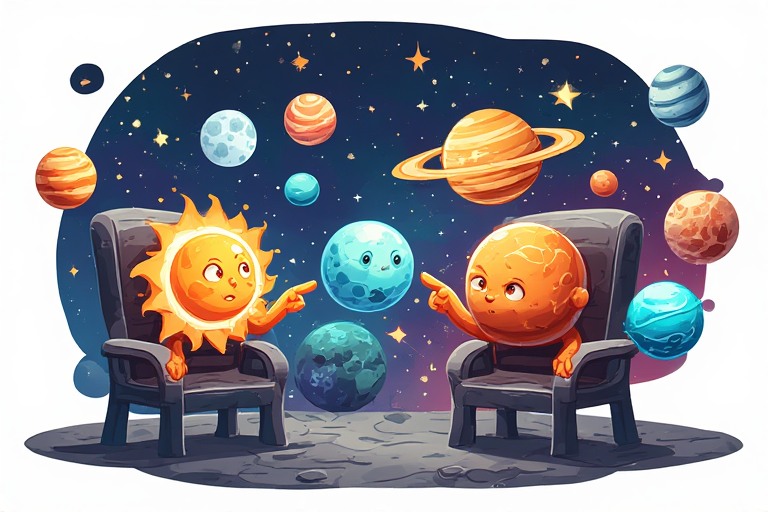
Opposite the first house is the seventh, anchored by the Descendant. If the first house is “I am,” the seventh house is “I meet.” This is the house of encounter, exchange, and mirroring. It governs marriage, partnerships, contracts, alliances, and declared enemies, not because these are moral categories, but because they all involve another will standing across from you. The seventh house is angular because it marks the moment where the self must recognize that it is not alone.

The seventh house is often misunderstood as merely romantic, but its deeper function is balance. It is the house where the chart corrects itself. Where the first house pushes outward, the seventh pushes back. It forces awareness of equilibrium, justice, and reciprocity. This is why law courts, negotiations, treaties, and commerce fall under this house. All of these require two sides to acknowledge one another as equals, even when they oppose each other.

The angular nature of the seventh house makes relationships unavoidable. When planets are here, life brings people into direct confrontation with others who matter. These are not background characters. They are pivotal figures who shape choices and redirect paths. The seventh house teaches that identity does not exist in isolation. It is forged through contrast. Through opposition. Through the act of standing face-to-face with someone who reflects what we are and what we are not.

This is also why the seventh house governs sex and union. Sex is not hidden or secretive here; it is an act of balance and mutual pleasure. It is the meeting point of two bodies seeking harmony and exchange. Unlike the eighth house, which dissolves boundaries and merges resources, the seventh house preserves two distinct entities choosing to connect. Sex here is about reciprocal enjoyment, not loss of self. It is pleasure achieved through alignment.

Moving from the horizon to the deepest point of the chart brings us to the fourth house, anchored by the Imum Coeli. This is the lowest angle, the place of midnight, roots, and foundations. If the first house is emergence, the fourth house is origin. It governs where we come from, what holds us up, and what remains when the world is stripped away. This is the house of home, family, ancestry, and inner security.

The angular nature of the fourth house is subtle but profound. It is not loud like the first or confrontational like the seventh, but it is just as powerful. This is the axis of gravity. The fourth house determines what someone returns to when life collapses inward. It describes the psychological basement, the emotional ground floor, and the inherited patterns that shape behavior long before conscious choice enters the picture.

Planets in the fourth house anchor a person’s life around themes of belonging and protection. This is not just the physical home, but the idea of having somewhere to land. The fourth house governs shelter in all forms, including emotional safety, private identity, and the inner world that is never fully shared. Because it is angular, these matters manifest clearly. Home is not abstract here; it is decisive.

The fourth house also relates to endings, not as death itself, but as withdrawal from public life. It is the place one retreats to after the world has taken its toll. This is why it governs old age, family legacy, and the emotional inheritance we pass on. The fourth house completes the cycle that begins in the first. One enters the world through the Ascendant and eventually seeks rest and containment at the IC.

Opposite the fourth house is the tenth, crowned by the Midheaven. This is the highest point in the chart, the place of maximum visibility. The tenth house governs achievement, reputation, authority, and public contribution. If the fourth house is where we come from, the tenth house is where we are seen. It describes what we build, what we are known for, and how our actions ripple outward into the collective.

The angular power of the tenth house cannot be overstated. Planets here seek expression through accomplishment and recognition. This is not ego for ego’s sake. It is responsibility made visible. The tenth house asks, “What are you doing with your life in the eyes of the world?” It governs career not merely as a job, but as a calling, a role that carries weight and consequence.

This house also governs authority figures, not because of hierarchy alone, but because authority represents structure imposed from above. The tenth house is where order is established and maintained. It shows how someone handles power, status, and accountability. When strong, it produces leaders. When challenged, it produces conflict with systems and expectations.

The relationship between the fourth and tenth houses is one of private versus public, inner versus outer, roots versus results. These two angular houses form the vertical axis of the chart, describing the tension between personal security and worldly ambition. Every life negotiates this axis differently, but it is always active. One cannot climb without a foundation, and one cannot hide forever without forfeiting potential.

What unites all four angular houses is their relationship to action and consequence. Unlike succedent houses, which stabilize, or cadent houses, which adapt and transition, angular houses initiate. They begin chapters. They mark turning points. They are where events happen rather than where they are processed. This is why traditional astrology considers angular planets the strongest. They are closest to the angles, closest to manifestation, closest to the physical world.

The angular houses also correspond to the cardinal signs, reinforcing their initiatory nature. Aries aligns with the first house and emergence, Cancer with the fourth and protection, Libra with the seventh and balance, and Capricorn with the tenth and authority. This cardinal quality gives angular houses a sense of urgency. They do not linger. They move life forward, sometimes forcefully.

Another defining trait of angular houses is visibility. Matters associated with these houses are rarely hidden. Identity, home, relationships, and public standing are all observable in tangible ways. When challenges arise here, they tend to be lived out in real time, through real events, with real people. There is little room for avoidance. Angular houses demand engagement.

The angular houses also serve as anchors for the rest of the chart. Each one pulls energy toward itself, shaping how neighboring houses function. The first house influences the second and twelfth, the fourth shapes the third and fifth, the seventh affects the sixth and eighth, and the tenth conditions the ninth and eleventh. In this way, angular houses act as gravitational centers, organizing experience around core life themes.

In a broader philosophical sense, the angular houses describe the human condition itself. We are born into a body, shaped by a home, defined through relationships, and measured by what we contribute. These are not optional experiences. They are universal. This is why angular houses feel so immediate and unavoidable. They reflect the fundamental structure of lived reality.

Ultimately, the angular houses show where life meets resistance and response. Where we must act, adapt, confront, and commit. They are not comfortable by default, but they are meaningful. They are where astrology stops being symbolic and starts being lived. When you understand the angular houses, you understand the engine of the chart—the places where fate presses hardest and where choice matters most.

The 7th House in Astrology: Opposition, Exchange & the Reign of Balance!

Key Takeaways: Everyone always thinks of this as the house of marriage and spouses – and it is. However, I often find in my practice that planets and signs here can just as easily take the form of opponents or trading partners. After all, the 7th House is really just about exchange of all types, whether it’s pleasant or not. It’s the house where you are counteracted, where balance attempts to establish itself.


The 7th House in astrology is the house of balance, reflection, and equivalence. It is the place where the self meets its equal and opposite, where life stops being a solo experience and becomes a negotiation between two forces. If the 1st House is the declaration of I am, then the 7th House is the question that follows: Who stands across from me?

This house governs marriage, committed partnerships, trade, contracts, justice, sex, and even death—not because it is dark or destructive, but because it is the point where one thing must meet another and be measured against it. The 7th House is the horizon of the birth chart. It is the line where day begins to turn into night, where the individual must acknowledge the presence of something other than themselves.

At its core, the 7th House is about what is fair, what is equal, and what brings equilibrium. Every theme associated with this house—romance, commerce, law, union, rivalry—flows naturally from that single principle.

The 7th House as the House of Balance

Balance is the soul of the 7th House. This is not balance as vague harmony or emotional calm, but balance as proportion, symmetry, and counterweight. The 7th House asks whether two forces can stand opposite one another without tipping the scales too far in either direction.

In the zodiac, the 7th House aligns with Libra, the sign of the scales, and this symbolism is not accidental. Libra is not about peace at any cost; it is about weighing, comparing, and adjusting. The 7th House inherits this function and applies it to lived experience.

Whenever we enter a relationship, sign a contract, make a trade, or engage another person in any serious way, the 7th House is activated. It governs situations where mutual recognition is required. One side cannot exist without the other. There must be agreement, or at least acknowledgment.

This is why imbalance in the 7th House often shows up as unfair relationships, unequal power dynamics, one-sided effort, or broken agreements. When the 7th House is functioning well, both parties feel seen, matched, and met.

Marriage, Spouse, and Long-Term Partnership

Marriage is one of the most well-known associations of the 7th House, but it is important to understand why marriage belongs here. Marriage is not simply romance. It is a binding agreement between equals, a formal recognition that two individuals will operate as counterparts.

The spouse in astrology is not shown by the 5th House of dating or pleasure, but by the 7th House because marriage requires balance, compromise, and reciprocity. A spouse is someone who stands opposite you, mirrors you, challenges you, and completes you—not by erasing difference, but by holding it in tension.

The 7th House describes the type of partner one attracts, the dynamics within committed unions, and the way one behaves when forced to account for another person’s needs as equal to their own. This is the house of “we”, not “me.”

Marriage, in its ideal form, is a living scale. When one person leans too far, the other adjusts. When one falters, the other compensates. This constant re-balancing is pure 7th House work.

Sex, Union, and the Myth of the 8th House

Everyone thinks that sex belongs to the sign of Scorpio and the 8th House. However, I find in my practice that that is simply not true. And there’s logical reason for it.

Sex and sex drive are not the same thing. The act of making love is not the same as your libido. They are two separate things.

The libido is painful. Sex is pleasant.

The libido or what some might describe as “horniness” – is that uncomfortable force inside of us that makes us want to have sex. It isn’t really a pleasant sensation when you think about it. It’s pressurized and urgent and scathing. Which is why it belongs to the planet of acute pain (Mars) and it’s secondary sign – Scorpio.

Sex on the other hand, is perfectly Libran when you think about it. It’s where two humans (or animals) come together and form a balanced physical and emotional union. It’s about complimentary anatomy. It’s about equilibrium. And…it is pleasurable! Which is why I argue that sex really falls under the domain of Venus (the planet of pleasure) and its primary sign – Libra.

Exchange, Trade, and Commerce

Trade is one of the clearest expressions of 7th House symbolism. Every trade assumes equivalence. One item, service, or resource is exchanged for another of presumed equal value. If the exchange is unfair, the trade fails.

This is why commerce, contracts, and negotiation all belong to the 7th House. These are not solitary acts. They require another party. They require agreement. They require balance.

Markets function on trust that value will be honored. Contracts exist to ensure fairness. Bargaining is the art of finding the point where both sides feel satisfied.

The 7th House governs not only personal relationships but also economic relationships. It shows how a person negotiates, what they demand, what they offer, and whether they tend to overgive or undercharge themselves.

Even modern capitalism, at its most abstract, still rests on the 7th House principle that exchange should be mutually beneficial.

Justice, Fairness, and the Law

Justice is balance applied to society.

The 7th House governs courts, lawsuits, legal agreements, and arbitration because law exists to restore equilibrium when balance has been broken. A crime is an imbalance. A lawsuit is an attempt to correct it.

Judges, lawyers, and mediators operate in the realm of the 7th House. They weigh evidence, hear both sides, and attempt to render a fair outcome. The imagery of Lady Justice holding scales is pure 7th House symbolism.

This house does not promise kindness—it promises proportion. Justice may feel harsh, but its purpose is balance, not mercy.

On a personal level, the 7th House describes one’s internal sense of fairness. Do you seek equality in relationships? Do you tolerate injustice to avoid conflict? Do you demand perfect symmetry, or are you willing to accept imperfection?

Wherever the 7th House is emphasized, issues of fairness will be unavoidable.

Opposition, Rivals, and Open Enemies

Not all 7th House relationships are pleasant. This house also governs open enemies, rivals, and declared opponents. This may seem contradictory until we remember that enemies are still counterparts.

An enemy is someone who stands clearly across from you. There is recognition, confrontation, and engagement. Unlike hidden enemies, who belong elsewhere in the chart, 7th House enemies are visible and acknowledged.

This includes business competitors, legal adversaries, and personal rivals. These relationships are still balanced in a strange way—each party recognizes the other’s power.

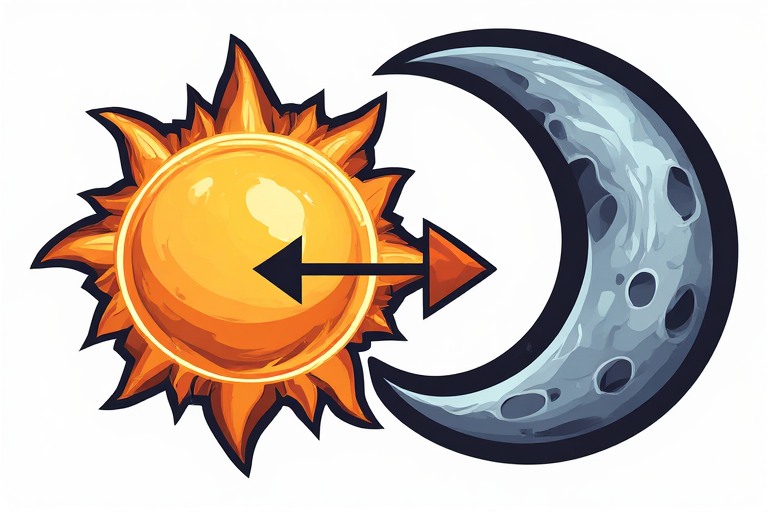
Opposition is a defining feature of the 7th House. Astrologically, it is the house directly opposite the 1st, and this geometric reality shapes its meaning. The 7th House is what pushes back against the self, forcing growth through confrontation.

Death as the End of Balance

At first glance, death seems like an odd inclusion in the 7th House. Yet symbolically, it makes sense. Death is the moment when the balance between body and soul breaks.

Life exists because forces are held in equilibrium. Breath in, breath out. Tension and release. When that balance fails, life ends.

The 7th House does not govern death as transformation—that belongs to the 8th. Instead, it governs death as the severing of union, the point where the partnership between consciousness and form dissolves.

In older astrological traditions, the 7th House was associated with the end of life because it represents the final confrontation with the “other”—whether that other is fate, time, or mortality itself.

Contracts, Agreements, and Promises

Any formal agreement belongs to the 7th House. Contracts exist because humans understand that balance must be defined and protected.

Marriage contracts, business deals, legal documents, and even spoken promises are all 7th House matters. They formalize exchange and set boundaries so that fairness can be maintained over time.

A strong 7th House often indicates someone who takes agreements seriously. A challenged 7th House can show broken promises, unfair terms, or fear of commitment.

This house asks: Can you meet another person halfway and stay there?

The Shadow Side of the 7th House

When the 7th House is distorted, balance becomes obsession. One may become overly focused on pleasing others, terrified of conflict, or dependent on external validation.

Alternatively, imbalance can manifest as constant opposition—seeking enemies everywhere, turning every relationship into a power struggle.

Because the 7th House is about the other, it can also become a projection screen. People may blame partners for internal issues or expect others to complete them.

True 7th House mastery comes from recognizing that balance begins within, even though it is tested through others.


Ultimately, the 7th House is a mirror. It reflects back what the self cannot see alone. Partners reveal our blind spots. Enemies expose our weaknesses. Contracts show us our values.

The 7th House teaches that life cannot be lived in isolation. Every meaningful experience requires an exchange. Every bond demands fairness. Every union asks for balance.

This is why the 7th House governs sex, marriage, justice, trade, and opposition alike. These are not separate themes—they are variations on a single truth:

Balance is created when two forces meet and recognize one another as equal.

The 7th House is where that recognition happens.

The 6th House in Astrology: Injuries, Restraint, Duty & What Must Be Done


The 6th house is the part of the astrological chart where life becomes unavoidable. It describes the conditions under which existence stops feeling optional and begins to feel compulsory. This is the house where the body must be managed, where time must be accounted for, and where effort must be repeated regardless of desire, inspiration, or emotional readiness. The 6th house does not represent what we hope for or move toward. It represents what we must deal with simply because we are alive in a physical world that demands upkeep, labor, and correction.

Across astrological traditions, the 6th house has been understood as a place of strain and submission. In classical Western astrology, it was associated with illness, servitude, labor, and misfortune. In Vedic astrology, it is categorized as a dushtana, a house that generates suffering through conflict, imbalance, and effort. Yet the suffering of the 6th house is rarely dramatic. It does not arrive all at once. Instead, it accumulates slowly through routine, repetition, and necessity. It is the suffering of having to continue.

The 6th house shows us life when it must be maintained rather than enjoyed, endured rather than escaped.

Necessity & Compulsion

The central theme of the 6th house is necessity overriding choice. This is the house where circumstances remove alternatives and reduce life to a narrow set of required actions. The situations governed by the 6th house are not chosen freely. They exist because something will deteriorate, collapse, or fail if they are ignored. Health declines, systems break, consequences appear. Action becomes mandatory.

This is why the 6th house is associated with survival labor. It represents the ongoing effort required to keep things from falling apart. In this house, the question is never what you want to do. The question is what you must do in order to keep functioning. The pressure is constant, and the margin for error is small.

Discipline & Restraint

Discipline in the 6th house is not aspirational. It is corrective. It exists because something fragile must be protected or controlled. This house governs forms of discipline that arise when excess produces harm and freedom produces instability. Diets, regimens, schedules, and restrictions all belong here, not as lifestyle choices, but as necessities.

Restraint in the 6th house is deeply bodily. The body must be regulated, monitored, and managed. Impulses are suppressed not because they are immoral, but because they are impractical. Over time, this produces a relationship to discipline that is rigid and mechanical. The body learns compliance through repetition, and deviation becomes associated with punishment or breakdown.

Duty & Obligation

The 6th house is one of the primary houses of duty. It governs responsibilities that cannot be postponed indefinitely and obligations that persist regardless of emotional state. These are not duties taken on for meaning or recognition. They exist because life demands them.

This house shows where a person feels permanently “on the clock.” There is always something that must be done, monitored, corrected, or completed. Rest, when it occurs, feels conditional and temporary. The sense of obligation never fully disappears, because the conditions that created it never fully resolve.

Debt & Survival Economy

Debt is a defining concept of the 6th house. This debt may be financial, physical, or symbolic, but it always requires repayment through effort. Work in the 6th house is not performed for fulfillment. It is performed to avoid loss, punishment, or collapse.

Historically, the 6th house governed servants because service was the price of survival. Modern systems have changed the surface structure, but the underlying dynamic remains. The 6th house describes labor that sustains systems rather than elevates individuals. It is the economy of endurance, not aspiration.

Service & Servitude

Although often softened in modern astrology as the house of service, the 6th house originally described servitude, not voluntary contribution. This house governs situations in which one person’s time, energy, or body is claimed by another, usually within a hierarchy that limits autonomy.

Service in the 6th house is not romantic. It is repetitive, unequal, and frequently exhausting. The individual serves because refusal carries consequences. Even when service is chosen, the house reveals where it becomes burdensome, obligatory, or draining over time.

Slavery & Power Imbalance

At its core, the 6th house reflects asymmetry of power. Someone commands. Someone complies. Someone benefits. Someone labors. This imbalance is embedded in the symbolism of the house and explains its historical association with slavery and forced labor.

Even in contemporary contexts, the 6th house often describes environments where autonomy is restricted and compliance is rewarded. Time is regulated. Output is monitored. Deviation is punished. The body becomes a resource to be used.

Imprisonment & Forced Routine

The 6th house governs forms of confinement that revolve around routine and obligation. Unlike the 12th house, which removes individuals from daily function, the 6th house traps them within it. One must continue to perform tasks, follow schedules, and meet expectations even while confined.

This includes literal imprisonment, institutionalization, and medical confinement, but it also includes life situations where escape is not possible and repetition is mandatory. The defining feature is not isolation, but compulsion.

Celibacy & Abstinence

The 6th house governs abstinence imposed by necessity. This includes sexual restraint, fasting, and denial of pleasure that arises not from spiritual aspiration, but from practical or medical requirement. The body is denied indulgence because indulgence produces harm, imbalance, or risk.

Pleasure in the 6th house is always conditional. It must be earned, postponed, or eliminated entirely in order to preserve function.

The Body as a Site of Control

In the 6th house, the body is not celebrated. It is managed. This house shows where the body becomes a problem to be solved rather than a source of joy. Symptoms must be tracked. Behaviors must be adjusted. The body is scrutinized and corrected.

This is why the 6th house is so closely tied to health. It represents the ongoing negotiation between bodily limits and life’s demands. The body is expected to perform, even when strained.

Illness & Breakdown

The 6th house governs illness that arises from wear, stress, and repetition. These are conditions that develop slowly through overuse and neglect. They are rarely dramatic. Instead, they require ongoing management and impose long-term restrictions.

Illness in the 6th house does not remove one from responsibility. It adds more of it. Treatment becomes another routine, another obligation layered on top of an already demanding structure.

Infection & Contamination

Infection is a central theme of the 6th house because it represents breach. Boundaries are crossed. Foreign matter enters the system. The body must respond through defense, effort, and vigilance.

This house governs environments where cleanliness, hygiene, and purification become constant concerns. It reflects the reality that bodies exist in hostile ecosystems and must continuously protect themselves.

Wounds & Injury

The 6th house governs injuries such as cuts, strains, fractures, and stress injuries. Whether the injury comes from labor, recreation or conflict…the 6th House is the place where the body breaks.

That’s why it’s the house of Virgo – mutable Earth. To mutate is to change or break the natural pattern. The Earth is the body.

Combine them…and you’ve got some unpleasant things to deal with.

Cracks & Fissures

One of the most literal meanings of the 6th house is fracture. This house governs cracks in the body and in the earth. It represents matter being split, cut, or divided so that it may be processed or used.

This is the house of the plow, the knife, and the scalpel. Intact things do not remain intact here.

Mutable Earth

Elementally, the 6th house is mutable earth. This is earth that is not preserved, but worked. Soil is turned. Food is chopped. Bodies are conditioned. Matter is repeatedly manipulated to serve function.

Nothing rests in the 6th house. Everything is subjected to effort.

Habit & Conditioning

Over time, the demands of the 6th house produce habitual behavior. The body learns compliance. The mind learns routine. Action becomes automatic.

This conditioning is powerful. It reshapes identity through repetition rather than choice. People with strong 6th-house emphasis often struggle to stop working, even when exhausted, because rest feels unsafe.

Conflict & Daily Struggle

Traditionally, the 6th house also governed enemies, particularly those encountered through ongoing conflict rather than dramatic opposition. These struggles are not singular events. They are persistent frictions that drain energy over time.

They must be managed continually.

The Dushtana Nature of the 6th House

In Vedic astrology, the 6th house is considered a house of suffering because it represents imbalance that demands correction. The suffering here is not purposeless. It forces adaptation. It exposes weakness. It demands effort.

The 6th house does not destroy outright. It wears down.

Psychological Weight

Psychologically, the 6th house is where guilt and obligation merge. It is where self-worth becomes tied to usefulness and productivity. Where rest feels undeserved. Where failure feels dangerous.

This house produces endurance, but often at the cost of ease.


The 6th house does not promise happiness. It promises functionality. Those who master this house learn how to survive systems that would overwhelm others. They become resilient, precise, and reliable.

The 6th house is not where we dream.

It is where we keep going.

Born of Liquid: The Water Element and the Signs That Hydrate the Zodiac


In astrology, the water element represents feeling, memory, and emotional continuity. Where fire animates, earth stabilizes, and air interprets, water absorbs. It is the element most closely tied to inner experience, instinct, and the unseen currents that shape human behavior from beneath the surface. Water does not announce itself the way fire does or define itself through structure like earth. It moves quietly, responding to gravity, environment, and emotional tides. Water asks not “What is this?” or “How do I act?” but “How does this feel, and what does it mean to me?”

Water operates through sensitivity and attunement. It registers nuance, emotional tone, and subtle shifts that often go unnoticed by other elements. In astrology, water energy is associated with emotion, intuition, empathy, imagination, and psychological depth, but its deeper function is continuity. Water remembers. It carries the past forward, holding experiences in the body and psyche long after the moment has passed. This is why water signs are so deeply connected to memory, attachment, and emotional truth.

Symbolically, water is cold and wet, indicating receptivity, cohesion, and inward movement. It gathers rather than disperses. Water seeks connection, merging, and belonging. It does not move in straight lines, but follows curves, channels, and paths of least resistance. This makes water adaptable, but also vulnerable to stagnation when it cannot flow freely. In astrology, water teaches that emotion must circulate. When feelings are suppressed or ignored, they do not disappear; they pool.

The water element governs emotional bonds, subconscious patterns, imagination, and the instinctual responses that shape behavior before logic or intention intervene. It rules what we protect, what we fear losing, and what we cling to for safety. Water understands that human beings are not just rational or purposeful, but emotionally patterned creatures shaped by attachment and experience. Water energy senses what is unspoken and responds to what is felt rather than what is said.

In the zodiac, water is expressed through Cancer, Scorpio, and Pisces. Each sign reflects a different dimension of emotional life and psychic awareness. Cancer represents emotional containment and protection, Scorpio represents emotional intensity and transformation, and Pisces represents emotional permeability and transcendence. Together, they describe how feeling begins, deepens, and ultimately dissolves beyond personal boundaries.

Cancer represents water in its most protective and formative state. This is the womb, the tide pool, the enclosed body of water that nurtures life. Cancer energy is concerned with safety, belonging, and emotional shelter. It governs home, family, and the instinct to care for what is vulnerable. Cancer understands that growth requires protection and that emotional security is the foundation upon which identity is built.

Cancer’s water is cyclical, like the Moon it is ruled by. It ebbs and flows, responding to mood, memory, and emotional context. This makes Cancer deeply sensitive to environment and relational dynamics. At its best, Cancer water creates compassion, loyalty, and the ability to nurture others. At its most unbalanced, it can become defensive, withdrawn, or overly attached to the past. Cancer teaches water’s first lesson: feeling needs a safe container.

Scorpio represents water in its most intense and transformative form. This is deep water, pressure-filled and opaque, where surface appearances give way to hidden currents. Scorpio energy is concerned with emotional truth, power, and the process of death and rebirth. It understands that not all feelings are gentle and that transformation often requires confronting pain, fear, and loss directly.

Scorpio’s water does not flow around obstacles; it pulls them under. This sign is associated with emotional depth, psychological insight, and the ability to penetrate illusions. Scorpio energy seeks authenticity, even when it is uncomfortable. It is drawn to taboo subjects, hidden motivations, and the raw underbelly of human experience. At its healthiest, Scorpio water produces resilience, emotional courage, and profound loyalty. At its most distorted, it can become controlling, obsessive, or destructive.

Scorpio teaches one of water’s most difficult lessons: emotion must be faced to be healed. Avoidance leads to stagnation; confrontation leads to transformation. Scorpio reminds us that healing is rarely gentle, but it is always necessary.

Pisces represents water in its most expansive and boundary-dissolving form. This is the ocean, the mist, the water that has no clear edge. Pisces energy is concerned with empathy, imagination, and transcendence. It experiences emotion not as something personal, but as something collective. Pisces feels what others feel, often without knowing where its own feelings end and another’s begin.

Pisces’ water is highly sensitive and impressionable. It absorbs atmosphere, mood, and emotional undercurrents with little filtration. This gives Pisces extraordinary compassion, creativity, and spiritual awareness. It is often drawn to art, music, healing, and mystical experience because these realms allow emotion to move freely without rigid definition. At its best, Pisces water produces unconditional love, forgiveness, and the ability to see beauty in suffering.

At its most unbalanced, Pisces can struggle with boundaries, escapism, or emotional overwhelm. The challenge for Pisces is learning to remain present without dissolving entirely. Pisces teaches water’s final lesson: connection does not require self-erasure.

Beyond individual signs, the water element as a whole governs emotional intelligence and intuitive awareness. It shapes how people bond, grieve, heal, and care for one another. Water energy is deeply relational, even when it appears solitary. People with strong water placements often feel things before they can explain them and may struggle to articulate emotional experience in purely rational terms.

Water is also the element most associated with psychological depth. It governs dreams, memories, and the unconscious mind. Water understands that behavior is often driven by hidden emotional patterns formed long before conscious choice. This makes water signs natural therapists, artists, and caregivers, but also susceptible to emotional fatigue when boundaries are weak.

In relationships, water brings intimacy, devotion, and emotional resonance. Water signs crave depth and authenticity, often preferring a few meaningful bonds over many superficial ones. They are sensitive to emotional shifts and can be deeply affected by relational discord. When water is balanced, relationships feel nourishing and emotionally safe. When unbalanced, they can become enmeshed, overwhelming, or emotionally volatile.

Creatively, water governs imagination and symbolic expression. It thrives in poetry, music, film, and visual art, where emotion can be conveyed indirectly. Water-dominant individuals often create from feeling rather than concept, allowing mood and intuition to guide expression. Their work tends to be evocative rather than literal.

Spiritually, water represents compassion and surrender. It is associated with faith, mysticism, and the recognition of interconnectedness. Many spiritual traditions use water as a symbol of purification and rebirth, acknowledging its role in emotional and spiritual renewal. In astrology, water signs often approach spirituality through feeling and experience rather than doctrine or intellect.

The shadow of water is emotional entanglement. When water energy becomes excessive, individuals may struggle with mood instability, dependency, or difficulty separating their feelings from others’. There may be a tendency to dwell in the past or avoid reality through fantasy. Balance comes when water is grounded by earth, clarified by air, and energized by fire.

In the larger elemental system of the zodiac, water serves as the emotional memory. It holds what has been felt, loved, and lost, ensuring that experience is not meaningless. Fire may initiate, earth may sustain, and air may explain, but water remembers. It carries the emotional truth of life forward.

Ultimately, the water element in astrology symbolizes the depth of being human. It teaches that logic and action alone cannot define existence. Feeling matters. Memory matters. Connection matters. Through Cancer, Scorpio, and Pisces, water reveals how emotional experience shapes identity, transformation, and compassion.

Water does not seek dominance or clarity. It seeks resonance. It flows where it is allowed, erodes what resists, and nourishes what it touches. In astrology, water is not weakness or excess. It is the emotional foundation of consciousness, reminding us that beneath every thought, structure, and action, something is always being felt.

Born of Wind: The Air Element and the Signs that Lighten The Zodiac


In astrology, the air element represents mind, movement, and connection. Where fire brings heat and earth brings form, air brings circulation. It is the invisible force that carries sound, ideas, symbols, and meaning from one place to another. Air cannot be seen, yet it is constantly felt through thought, language, and exchange. It governs perception rather than substance, patterns rather than objects, and relationships rather than isolated experience. Air is the element that asks not “What is this?” but “How does this relate to everything else?”

Air operates through awareness and interaction. It is concerned with how information moves, how ideas are formed, and how individuals connect within larger systems. In astrology, air energy is associated with intellect, communication, curiosity, and social dynamics, but its deeper function is mediation. Air links. It translates experience into language and sensation into meaning. Without air, consciousness would remain private and inarticulate. Air makes experience shareable.

Symbolically, air is hot and wet, indicating energy that is active yet adaptable, mobile yet responsive. It rises and disperses, refusing containment. Air does not like stagnation. It needs circulation to stay alive. This is why air signs are often uncomfortable in environments that limit conversation, movement, or intellectual freedom. Air thrives where ideas can be exchanged, questioned, and reshaped. It is the element most attuned to change, not through force, but through reinterpretation.

The air element governs language, thought, social structures, and the frameworks through which reality is understood. It shapes belief systems, cultural norms, and collective agreements. Air understands that reality is not only lived, but described, and that description influences experience. This is why air is so powerful. Change the narrative, and you change the world. Air energy senses this instinctively.

In the zodiac, air is expressed through Gemini, Libra, and Aquarius. Each sign reflects a different function of the mind and of social awareness. Gemini represents information and exchange, Libra represents relationship and balance, and Aquarius represents collective vision and abstraction. Together, they describe how consciousness moves from curiosity, to connection, to systems of thought that shape society.

Gemini represents air in its quickest and most curious form. This is the breeze that moves from place to place, carrying fragments of information and delighting in discovery. Gemini energy is alert, playful, and mentally agile. It seeks stimulation through conversation, reading, learning, and observation. Gemini does not want final answers; it wants ongoing dialogue. Its gift lies in its ability to see multiple perspectives and hold contradictions without needing immediate resolution.

Gemini’s relationship to air is one of movement and multiplicity. It understands that no single story captures the whole truth. This sign thrives on variety and resists monotony. Gemini energy is often misunderstood as scattered or superficial, but its true function is connection. It links ideas, people, and experiences that might otherwise remain separate. It asks questions not to undermine meaning, but to keep meaning alive and dynamic.

At its best, Gemini air produces wit, adaptability, and intellectual openness. It encourages curiosity and learning throughout life. At its most unbalanced, Gemini can become restless, unfocused, or overwhelmed by too much information. The challenge for Gemini is depth: knowing when to pause and integrate rather than continually move on. Still, Gemini teaches one of air’s most essential lessons: knowledge grows through exchange.

Libra represents air in its relational and harmonizing form. This is the wind that moves between two points, creating balance through motion. Libra energy is deeply concerned with fairness, aesthetics, and interpersonal dynamics. It understands that meaning is not created in isolation, but through relationship. Libra asks how choices affect others, how systems can be balanced, and how harmony can be maintained without erasing difference.

Libra’s air is attuned to social nuance. It reads tone, gesture, and unspoken agreements. This makes Libra highly skilled at diplomacy, negotiation, and mediation. Libra energy seeks beauty not only in form, but in interaction. A well-balanced relationship, a fair agreement, or a graceful conversation all reflect Libra’s ideal. It believes that how something is done matters as much as what is done.

At its healthiest, Libra air produces grace, empathy, and a strong sense of justice. It encourages cooperation and mutual respect. At its most distorted, Libra can become indecisive, overly accommodating, or dependent on external validation. The challenge for Libra is learning to assert its own perspective without losing connection. Libra teaches the air lesson of reciprocity: meaning arises between, not within.

Aquarius represents air in its most abstract and visionary form. This is the high-altitude wind, the current that shapes weather patterns rather than individual gusts. Aquarius energy is concerned with systems, ideologies, and the future. It thinks in terms of networks rather than individuals, patterns rather than personalities. Aquarius asks how society functions and how it might be improved.

Aquarius air is detached, innovative, and unconventional. It resists tradition when tradition limits progress, and it questions norms that no longer serve the collective. This sign is often associated with technology, reform, and radical ideas because it is comfortable thinking beyond existing frameworks. Aquarius energy understands that change often begins as an idea that feels strange or impractical before it reshapes reality.

At its best, Aquarius air produces originality, humanitarian vision, and intellectual courage. It challenges outdated systems and imagines new possibilities. At its worst, it can become aloof, rigid in ideology, or disconnected from emotional reality. The challenge for Aquarius is remembering that ideas ultimately affect people. Still, Aquarius embodies air’s highest function: thinking beyond the present moment.

Beyond individual signs, the air element as a whole governs consciousness and communication. It shapes how thoughts form, how opinions spread, and how societies organize themselves. Air energy excels at seeing patterns, making connections, and understanding complexity. People with strong air placements often feel most alive when learning, discussing, or engaging with ideas. Silence without stimulation can feel suffocating to air.

Air is also the element most associated with freedom of thought. It resists dogma and rigidity, preferring open systems that allow for revision and debate. This makes air signs natural skeptics and reformers, but also susceptible to overthinking or detachment. Air teaches that clarity comes not from certainty, but from ongoing inquiry.

In relationships, air brings communication, shared interests, and intellectual intimacy. Air signs often bond through conversation and mutual curiosity. They value honesty and mental compatibility, sometimes more than emotional intensity. When air is unbalanced, relationships may feel distant or overly cerebral. When balanced, air creates partnerships built on understanding, respect, and shared perspective.

Creatively, air governs writing, speaking, teaching, and any medium that relies on symbols and language. It is the element behind storytelling, theory, and design. Air-dominant individuals often feel compelled to express ideas, whether through words, images, or systems. Their creativity lies in conceptualization and communication rather than physical execution.

Spiritually, air represents awareness and breath. It is associated with meditation, mindfulness, and practices that focus on consciousness itself. Many spiritual traditions link breath to spirit, recognizing air as the bridge between body and mind. In astrology, air signs often approach spirituality through understanding, philosophy, or contemplation rather than ritual or emotion.

The shadow of air is disconnection. When air energy becomes excessive, life can feel abstract, ungrounded, or emotionally distant. There may be a tendency to live in thought rather than experience, or to analyze feelings instead of feeling them. Balance comes when air is anchored by earth, warmed by fire, and softened by water.

In the greater elemental balance of the zodiac, air serves as the translator. It gives language to experience and coherence to complexity. Fire may act, earth may build, and water may feel, but air explains, contextualizes, and connects. It ensures that individual experience becomes collective knowledge.

Ultimately, the air element in astrology symbolizes the intelligence of relationship. It teaches that reality is not only something we live through, but something we interpret, discuss, and co-create through shared meaning. Through Gemini, Libra, and Aquarius, air shows how curiosity becomes dialogue, dialogue becomes culture, and culture shapes the future.

Air is the element that refuses isolation. It moves between people, ideas, and eras, carrying insight across boundaries. In astrology, air is not merely thought. It is the circulatory system of consciousness, keeping the zodiac alive, connected, and in conversation with itself.

Born of Stone: The Earth Element and the Signs That Stabilize the Zodiac


In astrology, the earth element represents form, substance, and the reality of living in a material world. Where fire ignites life, earth gives life shape. It is the element that makes things tangible, measurable, and enduring. Earth is the ground beneath our feet, the body we inhabit, the structures we rely on, and the slow processes that turn effort into results. Without earth, inspiration would remain unrealized, emotions would lack containers, and ideas would never become anything solid. Earth is the element that asks not “What do you want?” but “What can you build, sustain, and rely on?”

Earth operates through presence and practicality. It values what can be touched, tested, repeated, and improved over time. This element is deeply concerned with survival, security, and continuity, but also with mastery and craftsmanship. Earth understands that anything worth having requires patience, effort, and respect for limits. In astrology, earth energy is often associated with responsibility, realism, discipline, and reliability, yet beneath these qualities lies something more profound: earth is the element of commitment to reality. It accepts that life is imperfect, finite, and structured, and works within those constraints rather than trying to escape them.

Symbolically, earth is cold and dry, emphasizing solidity, containment, and durability. It resists change not because it is stubborn by nature, but because it understands the cost of instability. Earth does not rush. It measures twice and cuts once. It moves forward slowly, but once something is built on earth principles, it tends to last. This is why earth signs are often associated with longevity, tradition, and systems that endure across generations. They are less interested in novelty and more interested in what works.

The earth element governs the physical body, resources, labor, time, and the material consequences of choices. It rules the laws of cause and effect as they play out in real life. Earth teaches that intentions alone do not create outcomes. Consistent action does. This is the element that keeps promises, shows up every day, and understands that small efforts repeated over time are more powerful than bursts of enthusiasm that fade. Earth energy asks, “Can this support life in the long run?”

In the zodiac, the earth element is expressed through Taurus, Virgo, and Capricorn. Each represents a different relationship to matter, work, and responsibility. Taurus embodies stability and sustenance, Virgo embodies refinement and service, and Capricorn embodies structure and authority. Together, they show how earth maintains, improves, and governs the material world.

Taurus represents earth in its most fertile and sustaining form. This is the rich soil, the pasture, the garden that grows food year after year. Taurus energy is deeply connected to the senses and to the pleasure of being embodied. It understands that material life is not merely something to endure, but something that can be enjoyed. Taurus seeks comfort, beauty, and security, not as indulgences, but as necessities for well-being. This sign teaches that stability is not boring; it is nourishing.

The earth of Taurus moves slowly and deliberately. It values consistency, loyalty, and predictability. Taurus does not like to be rushed or pressured into change. Once it commits, however, it is remarkably steadfast. This is why Taurus is associated with long-term relationships, financial stability, and the accumulation of resources. Its strength lies in endurance. Taurus knows how to sustain energy over time without burning out.

At its best, Taurus earth creates reliability, patience, and a deep appreciation for the physical world. It honors the body’s needs, respects natural rhythms, and understands the importance of rest and pleasure. At its worst, Taurus can become resistant to change, overly attached to comfort, or fearful of loss. The shadow of Taurus earth is stagnation, but its gift is the ability to create something lasting and life-supporting.

Virgo represents earth in its most refined and conscious form. This is cultivated land rather than wilderness, the workshop rather than the field. Virgo is concerned with improvement, precision, and usefulness. It asks how something can function better, more efficiently, or more cleanly. Virgo earth understands that perfection is unattainable, but improvement is always possible. This sign is deeply connected to service, health, and the maintenance of systems that support daily life.

Virgo’s relationship with earth is analytical. It breaks things down into components, examines details, and identifies flaws not to criticize, but to correct. Virgo energy is often misunderstood as overly critical, but at its core, it is motivated by care. It wants things to work. It wants life to run smoothly. Virgo governs routines, habits, and processes that may seem mundane but are essential to survival and well-being.

At its healthiest, Virgo earth produces humility, competence, and a strong sense of responsibility toward others. It understands that small actions matter and that tending to details is an act of respect for life. When unbalanced, Virgo earth can become anxious, perfectionistic, or overly focused on flaws. The challenge for Virgo is learning when refinement serves life and when it becomes self-punishing. Still, Virgo teaches one of earth’s most important lessons: care is expressed through effort.

Capricorn represents earth in its most structured and authoritative form. This is the mountain, the fortress, the system of laws and hierarchies that govern society. Capricorn energy is concerned with long-term goals, responsibility, and mastery over time. It understands that true authority is earned through discipline, experience, and resilience. Capricorn does not expect success to come easily, but it believes deeply in the value of perseverance.

Capricorn’s earth is oriented toward achievement and legacy. It asks what will endure beyond the present moment. This sign is associated with ambition, leadership, and the ability to navigate constraints. Capricorn understands rules, limits, and power structures, and knows how to work within them or rise above them. It carries a serious tone because it recognizes the weight of responsibility and the consequences of failure.

At its best, Capricorn earth creates wisdom, integrity, and the capacity to build institutions that support many people. It teaches patience, self-respect, and the importance of earned success. At its worst, Capricorn can become rigid, overly controlling, or disconnected from pleasure and emotion. Its challenge is remembering that life is not only about duty, but also about being alive. Yet Capricorn embodies earth’s ultimate lesson: freedom is built, not given.

Beyond the individual signs, the earth element as a whole governs practical intelligence. This is the intelligence that knows how to survive, manage resources, and navigate reality as it is rather than as one wishes it to be. Earth energy is not pessimistic; it is realistic. It asks what is possible within current conditions and then works steadily toward improvement. People with strong earth placements often excel at organization, planning, and execution, even if they do not seek recognition for these skills.

Earth is also the element most associated with time. Fire lives in the moment, air in the mind, water in emotional memory, but earth lives in duration. It understands cycles, seasons, and long-term consequences. This makes earth energy excellent for building careers, families, and legacies, but sometimes resistant to sudden change. Earth prefers evolution over revolution.

In relationships, earth brings loyalty, dependability, and commitment. Earth signs may not express emotion as dramatically as fire or water, but their love is often shown through actions rather than words. They show up, provide support, and remain steady during difficult times. Earth values trust built over time and may be cautious before opening up. Once trust is established, however, earth energy is deeply devoted.

Creatively, earth governs craftsmanship and skill. It is the element that turns inspiration into something usable. Earth-dominant individuals often excel in fields that require precision, patience, and attention to detail. Their creativity may not always be flashy, but it is functional and refined. Earth teaches that beauty is not only found in ideas, but in execution.

Spiritually, earth represents incarnation and humility. It reminds us that spiritual growth does not require escape from the material world, but deeper engagement with it. Earth-based spirituality honors work, service, and responsibility as sacred acts. It finds meaning in tending gardens, building homes, caring for bodies, and maintaining communities. In astrology, earth signs often approach spirituality through practice rather than belief.

The shadow of earth is rigidity and fear of change. When earth energy becomes too dominant, life can feel heavy, joyless, or overly constrained. There may be an overemphasis on productivity or control at the expense of spontaneity and emotional expression. Yet without earth, nothing holds. Balance is key. Earth must be softened by water, inspired by fire, and guided by air to function optimally.

In the greater elemental balance of the zodiac, earth is the anchor. It holds everything else in place. Fire may initiate, air may conceptualize, and water may connect, but earth sustains. It ensures that what begins can continue. It reminds us that dreams require effort, love requires reliability, and growth requires patience.

Ultimately, the earth element in astrology symbolizes the dignity of reality. It teaches that life is meaningful not despite its limits, but because of them. Earth shows us that commitment, effort, and responsibility are not burdens, but pathways to mastery and self-respect. Through Taurus, Virgo, and Capricorn, earth teaches how to sustain life, improve it, and build structures that outlast the moment.

Earth does not seek the spotlight, but without it, nothing stands. It is the quiet strength beneath every achievement, the unseen labor behind every success, and the enduring presence that allows life to take root and grow. In astrology, earth is not merely an element. It is the promise that what is real can be built, refined, and made to endure.

Born of Flame: The Fire Element and the Signs That Ignite the Zodiac


In astrology, the fire element represents the principle of life itself in motion. It is the spark that animates, the heat that motivates, and the inner flame that says “I am here, and I want.” Fire is the element of vitality, courage, instinct, and creative force. Long before astrology became a system of charts and calculations, fire was understood as sacred. It was the hearth, the torch, the sun, the signal flame on a distant hill. Fire meant survival, vision, and spirit. In the zodiac, the fire signs carry this ancient symbolism forward, embodying the drive to act, to express, and to leave a mark on the world.

Fire signs operate through direct experience. They learn by doing, testing, risking, and engaging with life head-on. Where earth seeks stability, air seeks understanding, and water seeks emotional connection, fire seeks aliveness. It asks the question: “What makes me feel most real?” This elemental force is concerned less with reflection and more with initiation. Fire does not wait for permission. It leaps, ignites, and then deals with consequences later. Because of this, fire signs are often associated with leadership, enthusiasm, passion, and inspiration, but also with impulsiveness, burnout, and conflict when the flame runs too hot or too unchecked.

At its healthiest, fire is self-sustaining inspiration. It warms without burning, illuminates without blinding, and fuels without consuming everything in its path. At its most distorted, fire becomes destructive, impatient, or egocentric. Understanding the fire element means understanding how desire, will, and creative force move through a human being. It is the element most closely tied to identity and purpose, to the feeling of “this is who I am, and this is what I’m here to do.”

Fire is traditionally described as hot and dry, symbolizing energy that rises, separates, and asserts itself. It wants to stand out rather than blend in. This is why fire signs often crave recognition, acknowledgment, and visibility. They want to be seen not necessarily for validation alone, but because being seen confirms existence. Fire is the element of the spotlight, of heroic myths, of stories centered around quests, battles, and victories. Even when a fire sign is quiet or introverted on the surface, there is usually an inner narrative of becoming, striving, or self-actualization burning underneath.

The zodiac contains three fire signs: Aries, Leo, and Sagittarius. Each expresses the fire element in a distinct way, corresponding to different stages of development and different modes of action. Aries represents pure ignition, Leo represents sustained radiance, and Sagittarius represents the spreading of the flame. Together, they describe how fire begins, stabilizes, and seeks meaning beyond itself.

Aries is the fire of beginnings. It is the match strike, the first breath, the instinct to act before thinking. Aries energy is raw, courageous, and unapologetically self-focused. This sign carries the principle of existence through action. Aries does not ask who it is; it discovers itself by moving, competing, initiating, and asserting. In mythic terms, Aries is the warrior stepping onto the battlefield, not yet concerned with legacy or wisdom, only with the thrill of engagement and the urgency of the moment.

The fire of Aries is intensely personal. It burns hot and fast, driven by impulse, adrenaline, and desire. This is why Aries is associated with youth, bravery, and pioneering energy. It represents the part of us that says “I will try,” even when failure is likely. Aries fire is not particularly patient, but it is honest. It does not hide its intentions behind diplomacy or long-term planning. What you see is what you get. When this fire is balanced, it produces courage, leadership, and the ability to start things others are afraid to begin. When unbalanced, it can produce recklessness, anger, and a tendency to burn bridges in the heat of the moment.

Leo represents fire in its most visible and creative form. This is the bonfire rather than the spark, the steady flame that draws others in and warms the surrounding space. Leo is ruled by the Sun, and its fire is about radiance, self-expression, and the joy of being alive. While Aries discovers itself through action, Leo discovers itself through expression. It asks not just “Who am I?” but “How do I shine?”

Leo’s fire is deeply tied to identity and pride. It wants to be appreciated, celebrated, and acknowledged for its unique essence. This is not merely vanity, though it can appear that way. At a deeper level, Leo understands that creative expression is a life force. To suppress it is to dim the flame. Leo energy thrives on play, performance, art, romance, and any arena where the self can be joyfully expressed. When healthy, Leo fire creates generosity, warmth, loyalty, and a powerful sense of heart-centered leadership.

When distorted, Leo’s fire can become self-centered, dramatic, or overly dependent on applause. The flame may flicker when admiration is withdrawn. But even in its shadow forms, Leo teaches an important lesson about fire: it must be fed with authenticity, not ego alone. True Leo fire shines because it is aligned with the heart, not because it demands attention. When Leo fire is integrated, it inspires others simply by being fully itself.

Sagittarius represents the fire of vision, exploration, and meaning. This is the wildfire that spreads across open land, the torch carried into unknown territory, the flame lifted toward the sky in search of truth. Sagittarius fire is less concerned with personal identity and more concerned with understanding life’s bigger picture. It seeks freedom, wisdom, and expansion. Where Aries says “I am,” and Leo says “I create,” Sagittarius says “I seek.”

Sagittarius fire is philosophical and adventurous. It thrives on travel, learning, teaching, and experiences that stretch the mind and spirit. This sign is associated with belief systems, ethics, and the search for truth, whether through religion, philosophy, or lived experience. Sagittarius energy believes that life is meant to be explored, not contained. It resists confinement and stagnation, needing constant movement to keep its flame alive.

At its best, Sagittarius fire produces optimism, generosity, and a contagious sense of hope. It reminds us that there is always more to learn, more to experience, and more meaning to uncover. At its worst, this fire can become scattered, preachy, or irresponsible, burning through commitments in the name of freedom. Yet even in excess, Sagittarius carries the essential fire lesson of faith: the belief that life is an adventure worth engaging with fully.

Beyond individual signs, the fire element as a whole represents willpower and purpose. It is closely connected to desire, ambition, and the ability to envision a future and move toward it. People with strong fire placements often feel driven by an inner sense of calling, even if they cannot articulate it clearly. They are energized by challenges and demoralized by stagnation. When fire is lacking in a chart, there may be difficulty initiating action, asserting identity, or sustaining enthusiasm.

Fire is also the element most associated with confidence. Not arrogance, but the basic trust in oneself to act and survive the outcome. This is why fire signs are often seen as natural leaders. They project certainty, even when they are uncertain inside. Fire teaches that action creates clarity. You do not wait to feel ready; readiness comes through movement. This philosophy can be both empowering and dangerous, depending on context and self-awareness.

In relationships, fire brings passion, excitement, and intensity. Fire signs tend to fall in love quickly and dramatically, drawn to chemistry and shared adventure. They value honesty and directness, often preferring confrontation over silent resentment. Fire needs engagement. Indifference is more painful to fire than conflict. However, sustaining long-term intimacy requires fire to learn patience, listening, and emotional attunement, especially with water or earth energies.

Creatively, fire is the source of inspiration and originality. It governs the moment an idea feels alive, the surge of excitement that makes creation feel urgent and necessary. Fire-dominant individuals often struggle when forced into rigid systems that stifle spontaneity. They need room to experiment, fail, and try again. Their creativity is not always consistent, but when it ignites, it is powerful and compelling.

Spiritually, fire represents the soul’s hunger. It is the yearning for meaning, purpose, and transcendence. In many traditions, fire is the bridge between the human and the divine. Candles, sacred flames, and solar symbols all point to fire’s role as a connector between worlds. Astrologically, fire signs often approach spirituality through experience rather than doctrine. They want to feel truth, not just believe in it.

Fire also teaches impermanence. Flames rise and fall. They must be tended or they burn out. This is one of fire’s greatest lessons: enthusiasm alone is not enough. Sustainable fire requires balance, grounding, and awareness of limits. Burnout is a common challenge for fire-heavy charts, especially when the drive to act is not matched by rest and reflection.

In the larger zodiacal balance, fire relies on the other elements to function well. Earth gives fire form and endurance. Water gives it emotional depth and compassion. Air gives it direction and understanding. Without these, fire can become reckless or self-consuming. With them, fire becomes a force of transformation, capable of creating warmth, light, and progress.

Ultimately, the fire element in astrology symbolizes the courage to be alive. It is the willingness to take risks, to express oneself, to chase meaning, and to stand in one’s own truth. Fire signs remind us that life is not meant to be observed from a distance. It is meant to be entered fully, with all its dangers and rewards. They teach that even failure is preferable to stagnation, and that the greatest tragedy is not getting burned, but never lighting the flame at all.

Through Aries, Leo, and Sagittarius, fire shows us how existence begins, how identity shines, and how purpose expands. It is the element that says yes to life, again and again, even after disappointment, even after loss. In astrology, fire is not just an element. It is the animating principle, the inner sun that keeps us moving forward, searching, creating, and daring to believe that our presence in the world matters.

The 5th House in Astrology: Talents, Kids, Fame & Blessings of All Kinds!

Key Takeaways: When in doubt, just remember that the 5th House is the house of gifts. A child is a gift. A talent is a gift. An inheritance is a gift. Intelligence is a gift. These are things that are given, not earned. That’s what the 5th House is all about. And because its the natural domain of Leo, you’ll find that planets and signs in this house often coincide with light, lions (cats) and the sun.


The 5th House in astrology is one of the most joyful, expressive, and visibly radiant places in the birth chart. It is the house where life wants to be seen, where existence steps forward and says, “Look at me.” If the 1st House is the fact of being alive, and the 2nd House is what sustains life, and the 3rd House is what we actively develop and pursue, the 5th House is where life celebrates itself.

This house governs pleasure, creativity, performance, play, romance, children, applause, luck, and blessings that arrive without effort. It shows what flows naturally from you, what emerges spontaneously, and what seems to shine without trying. The 5th House is not about survival or struggle. It is about expression, enjoyment, and recognition.

Traditionally associated with Leo and the Sun, the 5th House carries a solar quality. It wants warmth, visibility, and appreciation. It is the house of being noticed—not for what you work hard at, but for what you simply are.

The Spotlight

At its core, the 5th House is the house of the spotlight. It governs moments when attention naturally turns toward you, whether you seek it consciously or not. This is the place in the chart that shows how you stand out, how you draw eyes, and how you occupy center stage in the theater of life.

Unlike the 10th House, which deals with public reputation and earned authority, the 5th House spotlight is personal and immediate. It is not about status or titles. It is about presence. It reflects the moments when others instinctively watch you, listen to you, or respond to your energy.

This can show up through performance, humor, charisma, creativity, or sheer vitality. Some people command attention by speaking. Others by moving, competing, or creating. Whatever sign and planets occupy the 5th House describe how this spotlight functions and what draws people in.

Importantly, the 5th House does not require permission. It does not wait for credentials. It simply shines. This is why it is so closely linked to confidence, pride, and self-expression. When this house is activated, life feels like a stage—and you are meant to step into the light.

Gifts, Talents & Blessings

One of the most essential meanings of the 5th House is what you are given rather than what you earn. This is where your interpretation is especially accurate and important.

The 5th House reveals natural gifts, talents, blessings, and luck—things that seem to come easily, sometimes mysteriously, and often without deliberate effort. These are abilities or advantages that feel innate. They are present early in life and tend to activate automatically when circumstances allow.

This is fundamentally different from the 3rd House, which describes skills developed through repetition, effort, learning, and persistence. The 3rd House is what you build. The 5th House is what you receive.

Someone with a strong 5th House may not even recognize their gift at first because it feels normal to them. Others, however, see it immediately. This is often why 5th House talents attract recognition or admiration—they stand out precisely because they are effortless.

Luck also belongs here. Not the calculated luck of strategy, but fortunate timing, happy accidents, and unexpected wins. The kind of luck that appears when you follow joy, take a risk, or allow yourself to play. The 5th House rewards courage and authenticity rather than discipline.

Appreciation & Applause

Closely tied to the spotlight is the theme of being appreciated, admired, and applauded. The 5th House governs applause in both literal and symbolic forms. It shows how and where you receive positive feedback, praise, and affirmation simply for expressing yourself.

This is the house of being loved for who you are, not evaluated for what you accomplish. Compliments, cheers, laughter, admiration, and romantic attention all fall under this domain. It is the emotional reward of being seen and enjoyed.

When the 5th House is emphasized, people often feel deeply affected by whether they receive appreciation or not. Lack of recognition can feel personal, while praise feels life-giving. This is because the 5th House feeds the ego in its healthiest sense—the sense that your presence matters.

This house also shows how you respond to appreciation. Some soak it in. Some deflect it. Some need it to feel alive. Others give it generously to others. Whatever planets reside here reveal the relationship between self-expression and validation.

Children & Progeny

The 5th House has long been associated with children, progeny, and offspring, both literal and symbolic. On a literal level, it can describe experiences with having children, relationships with them, and the joy or pride they bring.

But astrologically, children are not just biological. They are extensions of the self—creations that carry your essence forward. In this way, the 5th House governs anything you “give birth” to: art, projects, ideas, performances, or passions that feel like your own living creations.

This is why creative works are often described as someone’s “babies.” The emotional bond, pride, protectiveness, and joy mirror the 5th House experience exactly. Whether it is a child, a novel, a business idea, or a performance, the 5th House shows how you relate to what you bring into the world.

It also reflects the joy of watching something grow and express itself independently—a deeply 5th House experience rooted in love rather than obligation.

Creativity & Self-Expression

Creativity in the 5th House is not about mastery or technique. It is about expression for its own sake. This house rules art, play, performance, and any activity done because it feels good, not because it is productive.

This includes music, acting, writing, painting, dancing, fashion, and personal style—but also humor, storytelling, flirtation, and dramatic flair. Creativity here is spontaneous and emotionally driven. It is fueled by joy, desire, and inspiration.

The 5th House asks: What happens when you let yourself express freely? It is where individuality takes shape in visible form. Even people who do not consider themselves “artistic” still express their 5th House through how they play, love, entertain, or take risks.

When this house is suppressed, life can feel dull or overly serious. When it is honored, life regains color, pleasure, and meaning.

Performance & Play

The 5th House governs performance in all its forms, including plays, theater, sports games, competitions, and public displays of talent. Anywhere there is an audience, a score, or a moment of excitement, the 5th House is active.

In sports, this house rules athletes not as professionals earning a living (that belongs more to the 10th), but as players engaged in the joy of the game. It rules spectatorship as well—the thrill of watching, cheering, and emotionally investing in performance.

Play itself is sacred in the 5th House. Games, hobbies, amusement, and fun are not seen as distractions but as essential expressions of life force. This is why children are naturally aligned with this house—they play because it is how life expresses joy.

Risk also enters here. The 5th House rules gambling, speculation, and chance—not because of recklessness, but because it embraces uncertainty and excitement. It is willing to risk something for the thrill of possibility.

Romance & Pleasure

Romance is another key domain of the 5th House. Unlike the 7th House, which governs committed partnership, the 5th House rules courtship, attraction, and the spark of desire. It is the flirtation stage, the butterflies, the thrill of being chosen and admired.

This is love as play rather than obligation. Romance here is expressive, dramatic, and emotionally vivid. It wants passion, excitement, and pleasure. It thrives on attention and mutual enjoyment.

Pleasure of all kinds falls under this house: physical pleasure, sensual enjoyment, laughter, celebration, and indulgence. The 5th House is where life says yes to enjoyment without guilt.

Luck & Favor

The 5th House has long been called a house of good fortune, but its luck operates in a specific way. It is not the luck of careful planning or long-term investment. It is the luck that arises when you act from joy, confidence, and authenticity.

This is why following 5th House impulses often leads to fortunate outcomes, even if they seem irrational at first. This house trusts life. It believes that when you express your true nature, doors open.

Planets placed here often indicate areas where life seems to offer favor, protection, or ease. These blessings are not earned through effort but activated through participation. You have to show up, play, create, or risk—but you do not have to struggle.

The 5th House Versus the 3rd House

The contrast between the 5th and 3rd Houses is essential for understanding both.

The 3rd House is about effort, learning, repetition, and skill-building. It governs what you acquire through practice, trial and error, and persistence. It is where you hustle, train, and improve.

The 5th House, by contrast, shows what is already alive within you. It is not learned—it is revealed. While the 3rd House says, “Go get it,” the 5th House says, “Let it out.”

Both houses matter. Gifts still need expression, and skills still benefit from joy. But astrologically, knowing the difference between what you must work for and what you are already blessed with can be life-changing.

Joy as a Life Principle

Ultimately, the 5th House is about joy—not as luxury, but as a vital force. It reminds us that life is not meant to be endured alone. It is meant to be celebrated, shared, and enjoyed.

This house shows where your heart lights up, where your spirit feels alive, and where your presence makes life brighter for others. When honored, it restores confidence, vitality, and meaning.

The 5th House teaches that joy is not frivolous. It is creative power in motion. It is the soul expressing itself simply because it exists.

And when that happens, the world watches.