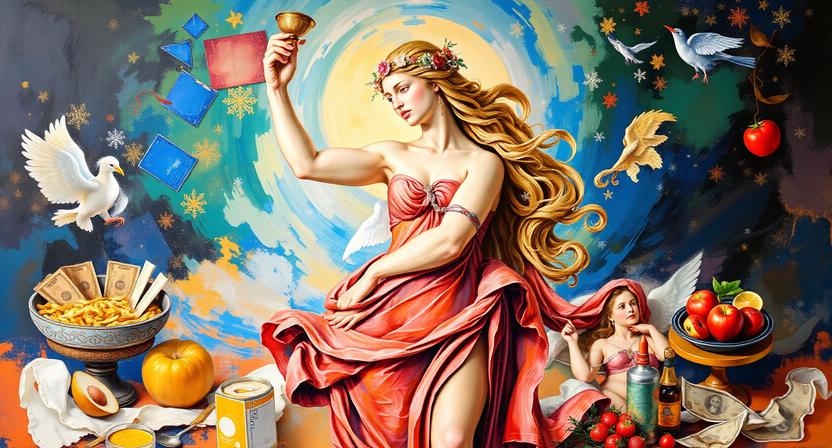
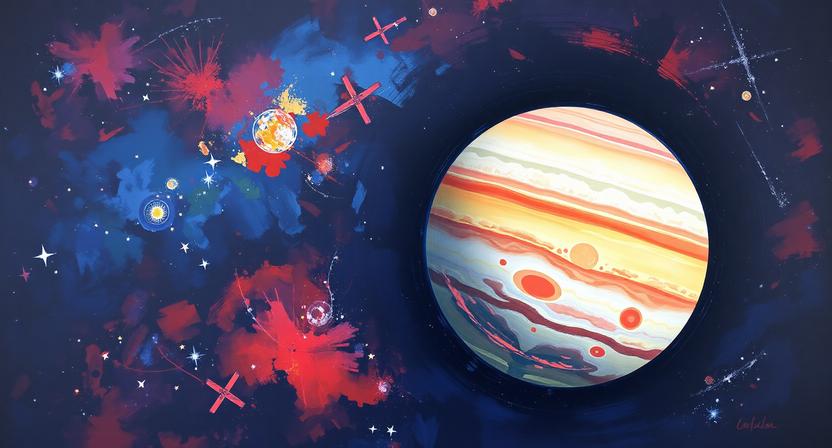
Venus in astrology is often introduced as the planet of love, but that description only scratches the surface. Venus is the force that determines what we are drawn toward, what we appreciate, and what we believe is worth our time and energy. It governs attraction in many forms—romantic, aesthetic, material, social, and sensory. Wherever Venus appears in a birth chart, life asks a simple but powerful question: what feels worth it? The answer influences relationships, finances, tastes, and everyday choices. Venus is not just about enjoyment for its own sake. It describes the ways we create comfort, stability, and harmony within the physical world.
Self-Worth & Value
At a psychological level, Venus describes our internal compass of worth. It reveals how we evaluate ourselves and others, shaping self-esteem, confidence, and the subtle beliefs we carry about what we deserve in life. A balanced Venus often feels naturally deserving of love, comfort, and appreciation. When Venus is strained, a person may struggle with comparison, insecurity, or a feeling that value must constantly be proven.
Because of this, attraction is rarely random. People are typically drawn toward situations and relationships that reflect their own internal sense of worth. Venus operates like a magnet for experiences that resonate with our personal value system. Over time, learning to strengthen this inner sense of value can change what we attract and what we allow ourselves to receive.
Self-worth under Venus also influences how people treat their own time and energy. When someone believes their time is valuable, they are more likely to set boundaries and prioritize environments that respect them. When self-worth is fragile, people may tolerate situations that drain them simply because they feel those situations are all they deserve. In this way, Venus quietly shapes many life decisions long before they appear on the surface.
Love & Relationships
Venus is most famous for its role in relationships. It describes how we give and receive affection, what makes us feel appreciated, and how we express warmth toward others. While Mars often represents passion and pursuit, Venus represents harmony, cooperation, and shared enjoyment. It governs dating, courtship, and the everyday gestures that help relationships feel pleasant and supportive.
Venus also rules diplomacy and compromise. It seeks balance rather than victory, often encouraging cooperation over confrontation. In social life, this influence shows up through charm, manners, tact, and the ability to create goodwill among people. This is one reason Venus is traditionally associated with Libra, a sign known for its emphasis on balance, fairness, and interpersonal harmony.
Venus also describes the types of experiences people enjoy sharing with partners. Some individuals express love through gifts, others through quality time, shared meals, artistic activities, or physical affection. These preferences are often Venusian in nature, revealing what kind of interaction feels emotionally and aesthetically satisfying.
Beyond romance, Venus also shapes friendships and broader social connections. It shows how easily someone forms bonds, what social environments they feel comfortable in, and how they contribute to group harmony. A well-placed Venus can help smooth social dynamics, while a more challenged Venus might create difficulty trusting others or feeling appreciated within relationships.
Money & Resources
On a material level, Venus is strongly connected to money and resources. In astrology, money represents stored value—something accumulated because it is considered useful or desirable. Venus influences what we choose to purchase, what we consider worth paying for, and the type of lifestyle that feels satisfying.
This connection becomes especially clear when studying the meaning of Taurus, a sign also ruled by Venus that emphasizes stability, material security, and the enjoyment of tangible comforts. In the same way, the 2nd House in astrology is linked with personal finances, possessions, and self-worth, all of which reflect Venusian themes. Together, these symbols show how value moves from internal belief into physical reality.
Venus also shapes spending habits. Some people spend freely on experiences that bring pleasure, such as travel, dining, or entertainment. Others may prefer investing in long-lasting possessions that provide comfort and stability. Neither approach is inherently better; they simply reflect different Venusian value systems.
Financial decisions often reveal a person’s deeper beliefs about security and satisfaction. When someone spends money on something that genuinely aligns with their values, the experience tends to feel rewarding. When purchases are made to impress others or compensate for insecurity, the pleasure often fades quickly. Venus teaches that true satisfaction comes when resources are aligned with authentic values.
Beauty & Aesthetics
Venus also governs beauty, taste, and aesthetic preference. In astrology, beauty is not treated as a universal standard but as something deeply personal. Venus shows what an individual finds attractive, whether in people, art, clothing, architecture, or design.
This influence appears in grooming habits, fashion choices, interior decoration, and artistic appreciation. The way someone dresses, organizes their home, or surrounds themselves with objects often reflects their Venusian values. For some people, beauty may be expressed through simplicity and minimalism, while others may prefer abundance, color, and ornamentation. Each style represents a different expression of personal value.
Venus also plays a role in how people present themselves physically. Personal style, skincare routines, fragrance choices, and attention to appearance all fall under Venusian symbolism. These choices are not simply about vanity; they are ways individuals communicate identity and value without words.
In many ways, aesthetics function as a language. The colors we choose, the textures we enjoy, and the environments we feel comfortable in all reveal something about our inner preferences. Venus helps translate those invisible preferences into visible form.
Pleasure & The Senses
Another important theme of Venus is physical pleasure. Venus rules the enjoyment that comes through the senses—taste, touch, sight, sound, and smell. Food, fragrance, music, art, comfortable fabrics, and relaxing environments all fall under its influence.
In this sense, Venus reminds us that pleasure is not trivial. From an evolutionary perspective, pleasure often reinforces survival. We are naturally drawn toward nourishing food, supportive relationships, and environments that feel safe and comfortable. Venus therefore connects enjoyment with sustainability, linking desire to the conditions that help life flourish.
Food is a particularly strong Venusian symbol. While the Moon often represents nourishment and emotional comfort, Venus governs the enjoyment of eating. Culinary traditions, dining atmospheres, and the ritual of sharing meals with others all carry Venusian qualities. A meal can become more than fuel; it becomes an experience of connection and appreciation.
Pleasure also plays a role in motivation. When life contains moments of enjoyment and beauty, people are often more willing to work, cooperate, and build stable lives. Venus helps remind us that well-being involves more than productivity. The senses need nourishment just as much as the body and mind.
Creativity & Art
Venus is closely tied to artistic expression and creativity. Music, painting, dance, fashion design, culinary arts, and decorative crafts all represent Venusian ways of turning personal taste into something visible or tangible. Creativity under Venus is less about raw ambition and more about refinement, harmony, and aesthetic satisfaction.
Artists, designers, musicians, and performers often have strong Venus placements because their work involves shaping beauty or emotional resonance into a physical form. Through creativity, Venus allows inner feelings of value and appreciation to become something that others can experience as well.
Creative activities can also be deeply therapeutic. When people engage with art, music, or design, they are often reconnecting with their own sense of pleasure and meaning. Venus therefore supports not only artistic professions but also hobbies and personal outlets that restore emotional balance.
In many cultures, art has always served as a reflection of collective values. Architecture, fashion trends, and music styles reveal what a society considers beautiful or meaningful. Venus operates at both the personal and cultural level, shaping how value is expressed through creative form.
Exchange & Reciprocity
Another important function of Venus is the principle of exchange. This includes giving and receiving money, affection, attention, and effort. Healthy Venus energy understands reciprocity. It recognizes when exchanges are balanced and when they are not.
Many struggles around burnout, resentment, or feeling unappreciated arise when Venusian exchange becomes uneven. When value flows freely in both directions, relationships and communities tend to feel harmonious. When value is hoarded or taken without return, imbalance appears.
Venus teaches that generosity and self-respect must exist together. Giving freely can create connection and goodwill, but only when it does not come at the expense of one’s own well-being. Likewise, receiving value gracefully is just as important as offering it.
The Shadow of Venus
Like every planetary force, Venus also has a shadow side. When its influence becomes distorted, pleasure may turn into overindulgence, materialism, vanity, or avoidance of discomfort. Comfort can become so important that growth and effort are neglected.
On the other hand, when Venus energy is suppressed, life can feel dull, joyless, or deprived of beauty. Some people may become overly rigid or focused only on duty and productivity, leaving little room for enjoyment or emotional connection.
The challenge of Venus is to maintain balance. Pleasure should enhance life rather than replace purpose, and discipline should support well-being rather than eliminate enjoyment.
The Deeper Meaning of Venus
Ultimately, Venus teaches that value shapes experience. What we appreciate determines what we build, what we protect, and what we pursue. Attraction itself becomes a form of intelligence, guiding us toward people, environments, and activities that resonate with our deeper sense of worth.
Understanding Venus in astrology therefore reveals more than just romantic preferences. It shows why certain things feel worth wanting, why some pleasures nourish while others feel empty, and how our sense of value interacts with the physical world.
Venus reminds us that a fulfilling life is not only about survival or achievement, but also about beauty, connection, and the simple experience of enjoying what we have. When its energy is integrated well, Venus helps create a life that feels both stable and pleasurable—one where material resources, relationships, and personal values work together rather than against each other.